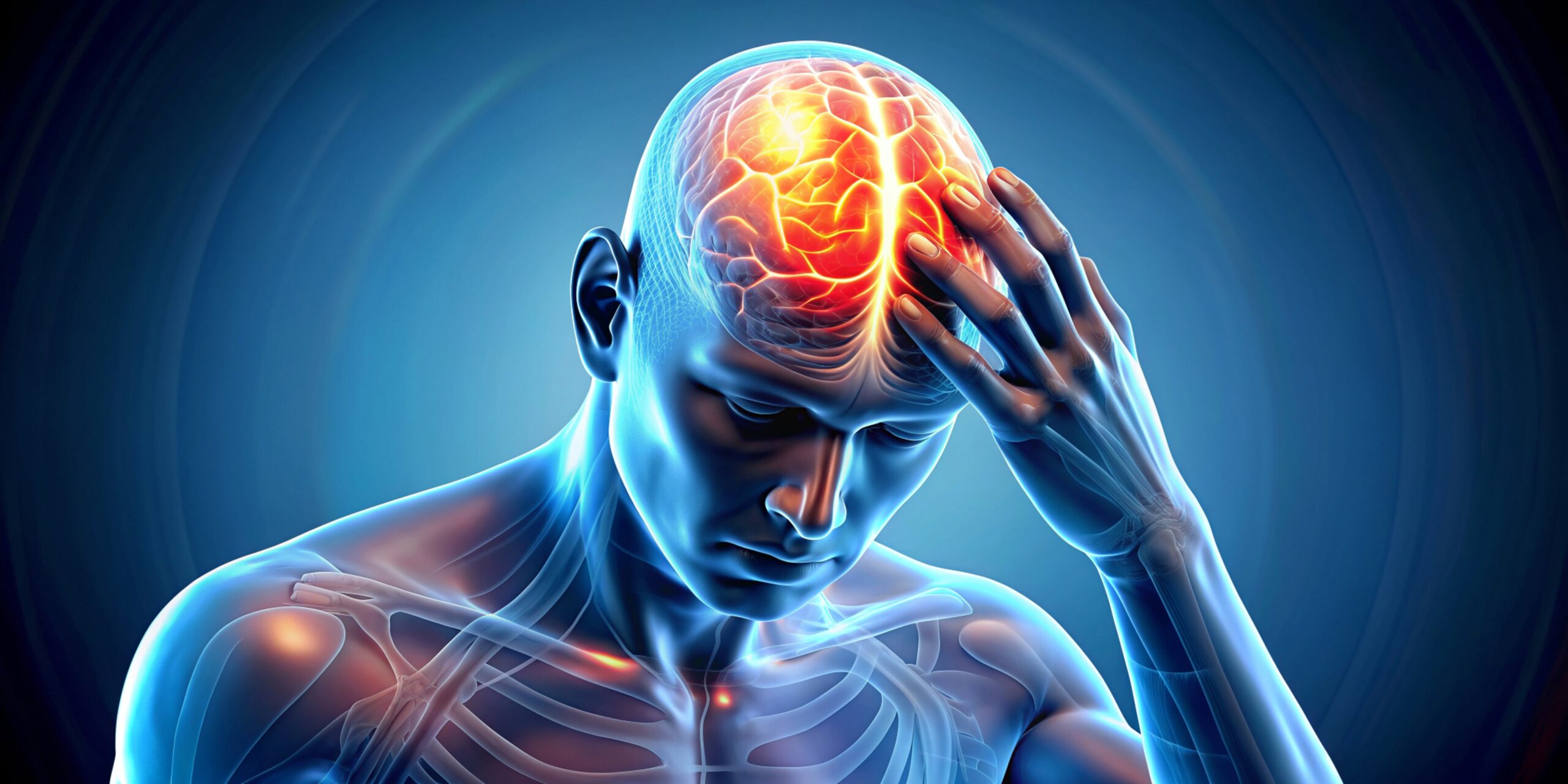
How Does an Occipital Nerve Block Work for Headaches?
When a headache keeps returning, it can feel as though the pain has taken control of your nervous system. Medication may help temporarily, but some

Trusted by patients across Rochester

Personalized brain mapping

100% online intake

Visits by appointment only
Our solutions are designed to help you overcome these challenges.
When nothing seems to lift the heaviness, there are still paths forward.
If anxiety, OCD, or trauma loops keep repeating — your brain may just need support.
Advanced neurostimulation for MS, stroke, and TBI recovery.
From foggy to focused — reclaim your mental power.
Cravings don’t define you. Your brain can change with the right support.
Quiet the nerves. Clear the pain. Reclaim your life with neurologist led care in Rochester.
Compassionate Approach
Experienced Professionals
Patient-First Care
Caring and Trustworthy
Compassionate Approach
Experienced Professionals
Patient-First Care
Caring and Trustworthy
FDA-Cleared
For Major Depressive Disorder
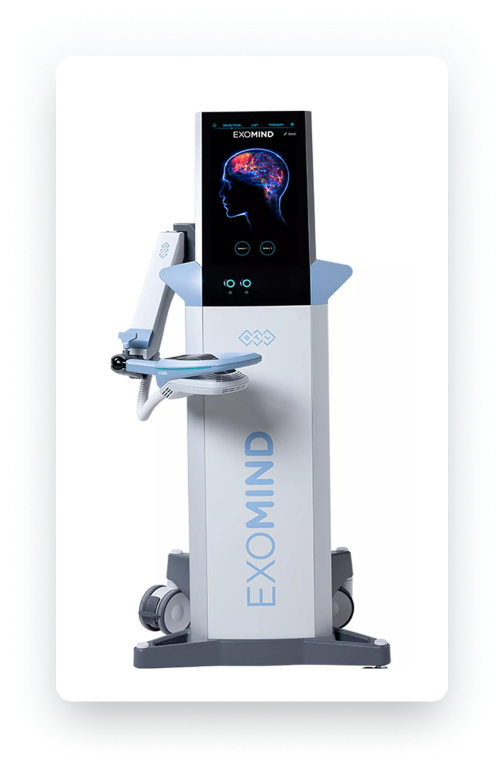
At Navira, we use Exomind TMS —an cleared device proven to help treat depression. It's a trusted option for those who haven't found relief with medication or prefer a drug-free path forward.
Exomind delivers gentle, non-invasive magnetic pulses to activate key brain regions, such as the dorsolateral prefrontal cortex (DLPFC), improving mood, motivation, and cognitive flexibility. It’s drug-free with minimal side effects.
Clinical studies with Exomind have shown:
• 60% reduction in the severity of depression symptoms
• 91% reduction in the severity of anxiety symptoms
At Navira, your TMS care is led by Dr. Myers, a board-certified neurologist. Treatments are fast, effective, and drug-free, designed for those who want to be where medicine is going - not where it’s been.
No surgery, no needles, no anesthesia required
A natural alternative without pharmaceutical side effects
Return to your day
immediately
after each session
At Navira, we also use this same advanced technology in a novel way — targeting spinal and peripheral nerve pathways to support movement, pain regulation, and neuroplastic recovery. This spinal application is considered off-label and is not formally endorsed by the device manufacturer. However, early clinical evidence and our own patient outcomes suggest it may be a valuable addition in complex neurologic and pain-related conditions.
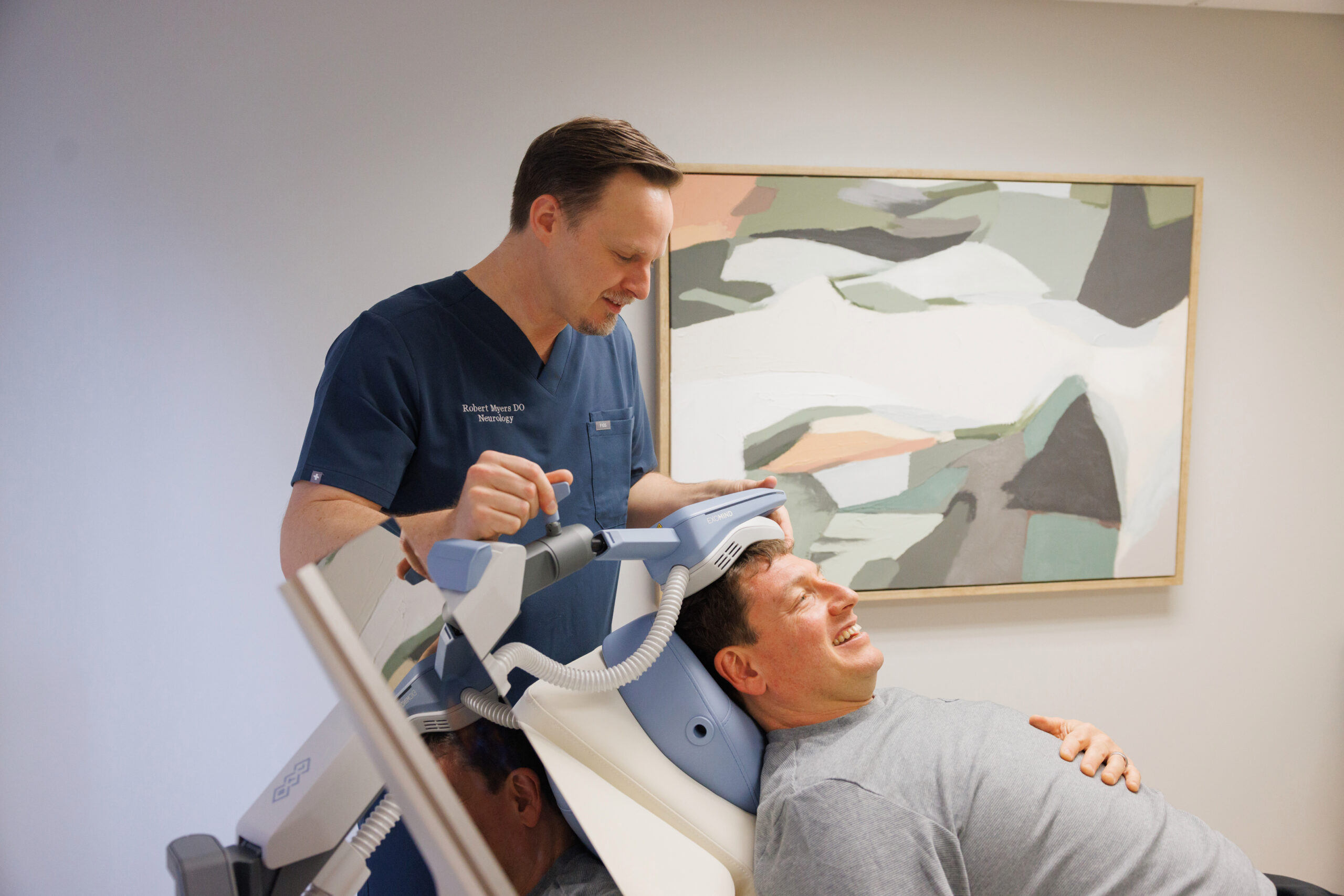
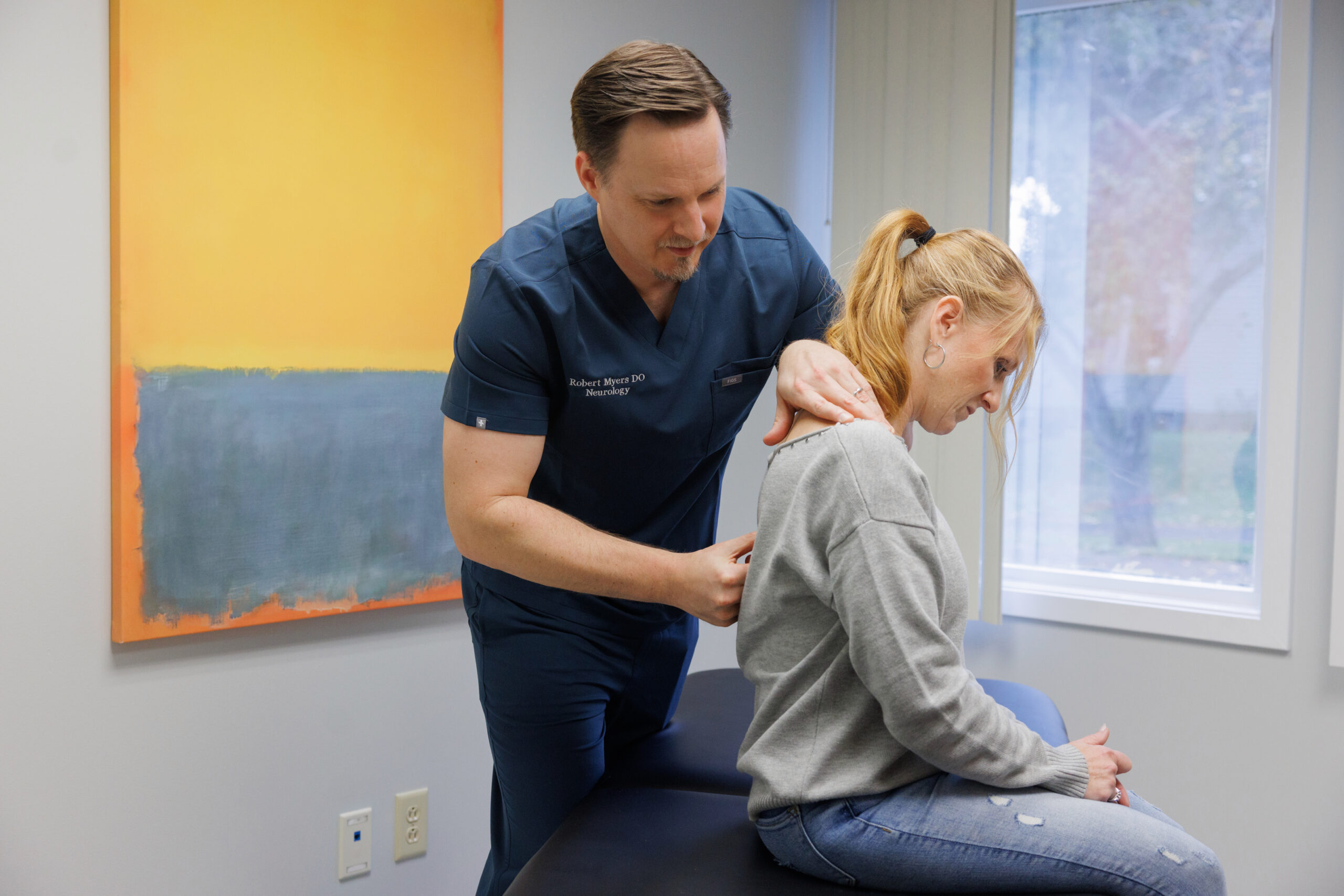
At Navira, we blend magnetic brain and spine stimulation with Osteopathic Manipulative Treatment (OMT) to help the nervous system repair, reconnect, and thrive — from within. Our protocols are rooted in science, guided by neuroplastic principles, and personalized for people facing complex neurologic, psychiatric, and chronic pain conditions. This is care designed not just to manage symptoms — but to awaken the body’s capacity to heal
When standard treatments fall short, Navira offers a new path forward — powered by neuroplasticity, hands-on therapy, and the body’s own healing intelligence.
Not local to Rochester?
Ask about our 2 day accelerated pain relief protocol for eligible out of town patients.
STEP 1
Book a consultation with Dr. Myers to share your story, symptoms, and goals. This is where you learn whether our approach is a good fit.
STEP 2
Dr. Myers reviews your medical history, performs a focused neurologic exam, and looks over prior tests. Together you confirm the diagnosis and discuss your options and goals.
STEP 3
If you are a candidate, Dr. Myers creates a personalized plan that may include ExoMind Therapeutic Neurostimulation, segmental spinal magnetic stimulation, and manual therapy. Visit frequency and treatment length are tailored to your condition and response.
STEP 4
You will have regular check-ins to review progress, adjust the plan, and decide if you need more sessions or occasional booster visits. Overall treatment length varies by diagnosis and how you respond.
To modulate brain networks involved in mood, cognition, and cravings.
To activate spinal and peripheral pathways involved in pain, motor function, and neuroplasticity.
To reinforce neurological gains and restore real-world function.

PHASE
First few visits. We focus on comfort, calibration, and helping your nervous system adjust. Many patients begin to notice subtle shifts in sleep, stress, or pain.

PHASE
As treatment continues, more patients notice changes in mood, pain, and daily function. We track your progress closely and adjust session frequency or intensity based on how you feel.

PHASE
Once you reach a stable improvement, we plan next steps together. This may include spacing out sessions, adding home exercises, or scheduling occasional booster treatments to help maintain your gains.

Real stories from people who chose a personalized approach.
After the first couple of weeks, I noticed I was sleeping better and not reacting to stress as much. It was a small shift, but it made a difference.
Patient, 41
By week three, I had more energy and wasn't dragging through the day. Dr. Robert took the time to adjust the plan for what I needed, which really helped.
Patient, 36
Around week six, I felt more stable, focused, and just more like myself. The changes were steady, and they've lasted.
Patient, 48

To help you feel more like yourself again — clear-headed, calm, energized, and free from the chronic stress, pain, or fog that holds you back.

Our vision is a future where state-of-the-art, evidence-based treatments for the brain and body are the first step in care, not the last resort. We believe everyone deserves access to therapies that help the nervous system adapt, rebalance, and support lasting well-being.
Evidence guided protocols
Care built around you
Board certified expertise
Dr. Robert Myers, D.O. is a board-certified neurologist and UCNS-certified headache specialist who combines modern neuroscience with hands-on care. As a third-generation osteopathic physician, OMT has always been central to his approach. Trained at top programs like Mount Sinai, he founded Navira Brain & Body to offer Therapeutic Neurostimulation, OMT, nerve blocks, and trigger point injections in personalized treatment plans for people with complex neurologic, psychiatric, and pain conditions.

Neurologist led protocols for TMS

Expertise in OMT for musculoskeletal care

Precision cranial and occipital nerve blocks and trigger point injections

Personalized plans based on goals and current research
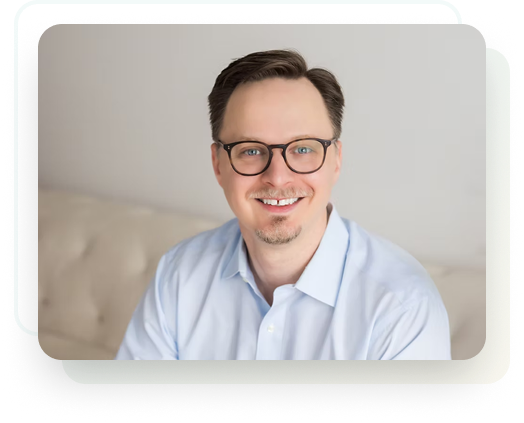
Neurologist
“In my work as a neurologist, I have met so many people who were suffering—but let down by the conventional model. Too often, they were told that if medication or surgery didn’t work, there was nothing else we could do.I refused to accept that.”
Get answers to your questions before your first visit
When a headache keeps returning, it can feel as though the pain has taken control of your nervous system. Medication may help temporarily, but some
If migraines continue to interrupt your work, sleep, focus, or daily routine, you may be searching for an option beyond another medication. One treatment you

When depression keeps coming back, daily life can start to feel heavier than it should. You may still show up for work, take care of

Understanding the gentle magnetic
pulse technology and what to expect
during each session
Explore article

Explore article

Explore article

A first-of-its-kind brain-body protocol, designed for conditions where traditional medicine has stalled

Rooted in neuroscience and neuroplasticity — not just symptom suppression

Non-invasive. Drug-free. Evidence-based.

Personalized care in a warm, professional environment
TMS stands for transcranial magnetic stimulation.
It is a non-invasive treatment that uses magnetic pulses to stimulate specific areas of the brain involved in mood regulation.
TMS does not require medication, anesthesia, or sedation.
Yes. Exomind is FDA-cleared for the treatment of depression.
Exomind TMS may be a good fit for people struggling with depression who want a non-medication option, have not responded well enough to medication or therapy, or want an additional treatment to support recovery.
Exomind uses next-generation accelerated TMS technology designed to safely deliver more treatment in a shorter period of time.
During treatment, you will sit comfortably in a chair while the ExoMind device delivers magnetic pulses to specific areas of the brain involved in mood regulation.
Treatment sessions take about 25 minutes.
You will remain awake and alert the entire time and can return to normal activities immediately after treatment. There is no anesthesia, sedation, or recovery period required.
Yes. TMS does not require anesthesia or sedation, so most patients can drive themselves home and return to normal activities after treatment.
Some patients notice improvement during or shortly after the initial 6-session series. Others improve more gradually over time. Response varies from person to person.
TMS has response rates that are similar to many depression medications, but without many of the systemic side effects associated with medication.
Some patients experience significant improvement or remission, while others experience more moderate symptom relief.
TMS has a favorable safety profile compared with many depression medications because it does not circulate through the whole body and does not commonly cause systemic side effects like weight gain, sexual dysfunction, nausea, fatigue, or emotional blunting.
The most common side effects are mild scalp discomfort or headache during treatment.
Some people may not be candidates for TMS, including patients with certain implanted metal or electronic devices in or near the head. This can include some aneurysm clips, cochlear implants, deep brain stimulators, or certain implanted stimulators. History of seizures, brain tumors, or active substance use disorders are also contraindications in our clinic.
During your consultation, Dr. Robert Myers, DO will review your medical history to determine whether TMS is safe for you.
Most patients tolerate TMS well. You may feel tapping or pulsing on the scalp during treatment. Some people have mild scalp discomfort or headache, usually early in treatment.
Most patients tolerate TMS well, and the goal of treatment is to improve depressive symptoms.
Some patients may temporarily notice changes in mood, anxiety, sleep, or irritability during treatment as the brain adjusts, but worsening depression is not a common long-term outcome of properly administered TMS.
Your symptoms and response to treatment will be monitored throughout care by Dr. Robert Myers, DO.
No. Many patients continue their current medications during TMS. TMS can also be an option for people who prefer not to take medication or have not tolerated medication well.
No. TMS can be used alongside therapy.
In fact, TMS may help therapy work better by making the brain more receptive to change.
A booster is a short TMS treatment session designed to help protect the progress you made during your initial treatment series.
The goal is not to wait until depression fully returns. The goal is to support your brain before you slide backward.
Depression can sneak up on you. Maintenance helps you get support before symptoms significantly affect your quality of life.
Some patients go into remission after treatment, but most patients experience improvement that still needs to be protected over time.
If you wait until things get bad again, a single booster may not be enough — and you may need to repeat the full 6-session series.
This membership is a self-pay treatment model. The consult is $50 and is credited toward membership if you proceed with treatment at the time of your consult.
No. There are no long-term contracts. You can cancel anytime.
No. Members also have access to as-needed booster sessions for $250/session if they ever need extra support.
You’ll meet in person with Dr. Robert Myers, DO, review your symptoms, medical history, safety considerations, and goals, then decide whether Exomind TMS is a good fit.
Book an in-person consultation with Dr. Robert Myers, DO. The consult is $50 and is credited toward your membership if you proceed with treatment at the time of your consult.
Get expert answers and a personalized plan in one visit
HIPAA Compliant
FDA Cleared Device
Neurologist Led
Therapeutic Neurostimulation at Navira uses TMS technology, which is FDA cleared for treatment resistant depression and OCD. Other indications listed on this site are investigational and not FDA approved. Individual results vary.
• Chronic pain often leads to reflexive muscle tightening (guarding), which limits motion and perpetuates pain.
• OMT techniques like muscle energy and counterstrain relieve hypertonicity, restore range of motion, and reduce nociceptive input.
• Chronic stress/pain activates the sympathetic nervous system (fight-or-flight), worsening inflammation and reducing healing.
• OMT techniques (for example, craniosacral therapy, rib raising) help balance autonomic tone, decreasing sympathetic overactivity and enhancing parasympathetic function.
• Chronic pain often localizes dysfunctions in joints, fascia, and viscera.
• Soft tissue, HVLA, and myofascial release techniques restore normal alignment and improve proprioception.